A learning platform for ethical awareness and skills
Leading with
Ethics and
Purpose
In a world where every choice shapes culture Leading with Ethics and Purpose empowers individuals and organizations to make decisions that matter.
LEAP is a learning platform for ethical awareness and skills. It is built on six cornerstones:
1. Ethics is personal. Ethics cannot be delegated and is a personal choice.
2. It’s our choices that define us. Rather than our capabilities.
3. Leadership is not hierarchical. Ethical leadership can, and should, be found at every level.
4. Culture is built on daily decisions and actions. We all matter. And we all shape the culture around us.
5. Organizations are part of society. Businesses don’t operate in a vacuum, they’re woven into the social and environmental fabric.
6. Ethics isn’t an answer, it’s a conversation.
Through inspirational conversations, real-world case studies, and practical tools for reflection and meaningful dialogue, LEAP connects theory with practice –supporting, inspiring and challenging good people making good choices.
Shape a culture of integrity,
courage and purpose
The
LEAP
Journey
02
LEAP – Leading with Ethics and Purpose
The LEAP Journey is a platform where your employees get access to a unique set of learning material for self-studies, group work or moderated sessions. At LEAP, we believe that ethics isn’t an answer, it’s a conversation. Strengthening our ability to engage in these conversations, and recognizing the ways we may unintentionally limit them, lead to better choices and better decisions. To bring these ideas to life, we feature:
- Inspirational conversations with academics, professionals, journalists, and thought leaders.
- Case studies and workshops based on real-world examples of misconduct ranging from corruption and fraud to ethical lapses and quality failures.
- Introductions, summaries, key takeaways and pointers.
LEAP connects theory with practice. It helps good people make good choices by leading better conversations.
Listen
View short, easily digested conversations with academics, professionals, journalists, and thought leaders in the topics of compliance, ethics, and human risk.
Get context
Get context through cases based on real-world examples of misconduct ranging from corruption and fraud to ethical lapses and quality failures. Dive deeper into Boeing, Ford Pinto, Theranos, VW and more, with moderated questions for deeper analysis.
Practice
Use workshops to remind yourself on the theory and putting it into practice.
Preview our platform content
Conversation
15:04 min
Elevation and Isolation
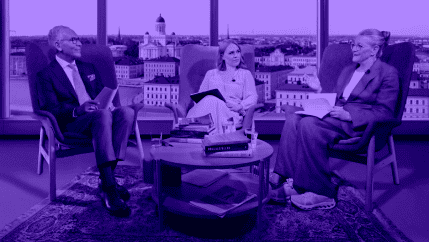
Meet Richard Bistrong, CEO at Frontline Anti-Bribery, who talks about how elevation and isolation contributed to his march from Vice president International Sales to prisoner. We discuss how constructive conversations with someone able to listen well enough to read between the lines and frank enough to raise uncomfortable facts and red flags, might have saved him and the company he worked for significant money, time and loss of trust.

Takeaway
04:54 min
The Business Case for Conversations
In Season One we discuss speaking up, speaking out, listening, conversations, ethics and their recent book ”Speak Out, Listen Up” with Professor Megan Reitz and Researcher John Higgins, who have spent decades researching conversations at the workplace. To listen well, to take the time to listen and invest in constructive conversations is not only” the right thing to do” – it is also good for business, good for innovation and great for the people who work in the organisations.

Conversation
06:10 min
Economics of Mutuality
– Restoring Trust in Business
Jay Jacub, who is a founder of Economics of Mutuality explains the inspiring ideas about the theory, first launch and implemented by Mars Inc. How businesses can rebuild trust, benefit from a larger purpose and restore optimism through measuring capital in the four dimensions; financial, social, human and natural capital. Improving the model of capitalism while keeping profitability at the center.
Season One – June 2026
Ethics, Conversations, Speaking out and Listening up, Corruption, Personal risk, Trust. The Slippery Slope.
Season Two – October 2026
Ethical tunnel vision, The dark and bright pattern, Purpose, Quality, Economics of mutuality. VW, Ford Pinto.
Season Three – March 2027
Speaking Up, Psychological Safety, Emotions, Retaliation, Quality, Fraud. Theranos, Boeing.
Season Four – August 2027
Governance, Risk, Corruption, Money Laundering, Red Flags, Fraud, AI. Telia, Swedbank.
The LEAP Journey broadens
the discussion, connects the
dots and provides the tools.
Human risk
Most ethical failures aren’t caused by villains. They happen because of human nature; our blind spots, biases, fear and lack of time influence our everyday choices. Writing more policies won’t fix that. The answer? Help people understand themselves, how they make decisions, and how they interact with others. That awareness changes behavior, improves quality and innovation and prevents the next scandal. LEAP focuses less on the “bad apples” and more on culture, bystanders, and the everyday decisions that shape culture. Because, it could be any one of us.
From compliance checklists to real change
Traditional compliance programs often fail because they rely on policies, trainings and compliance checklists that don’t really guide people’s everyday choices and therefore do not affect the organizational culture. LEAP addresses this by:
- Building awareness of how constructive conversations, rather than speak up campaigns, support good people making good choices.
- Addresses the impact of human risk, and how ethical blindness, biases, fear and pressure can distort our decisions.
- Creating cultures where speaking out and listening up thrive.
The result: Organizations that lead with ethics, courage and trust – at every level.
Practical, Engaging, Human-Centered Learning
LEAP connects the dots and brings the tools for better conversations – with yourself, your team and your community. It is designed to make ethics actionable, not an abstract idea.
What are you doing to support your
organisational culture?
Why LEAP?
Compliance programs are essential, but on their own they rarely change behavior. Policies and procedures run the risk of becoming paper programs: written, filed, and forgotten. They tell people what not to do, but they seldom make room for reflections on why or how to make better choices.
Without ethics, compliance is a checklist, not a culture. Rules can’t inspire integrity or courage. They don’t help people understand themselves, their decision-making, or their impact on others. And that’s why scandals keep happening – even in organizations with robust compliance frameworks.
If you want to change culture, you need to touch people.
You need to change conduct.
LEAP brings the human element, the ethics, into compliance. It transforms static programs into living conversations that shape values, decisions, and everyday actions.
LEAP doesn’t replace compliance. It makes it meaningful. Because when people lead with ethics and purpose, compliance becomes more than rules. It becomes a culture.
The LEAP Journey is not a compliance training. It is a learning platform for ethical awareness and skills. It brings topics that traditionally are handled at different parts of the organization together. Connecting the dots and supports a view of the bigger picture.
The LEAP Journey is suitable for all employees, from the floor to the board.
CONTEXT
The external and internal context
CONTENT
The most important conduct risks
COMPLIANCE PROGRAM
Designed, implemented. But is it working?
Ethical awareness and skills
CONDUCT
Every day, every person
CULTURE
Every action, every decision
The LEAP Journey is the result of decades of legal, compliance and risk management work and the combined efforts of Michaela Ahlberg, Niina Ratsula and Sanna Kalliokoski to promote conversations, ethics and friction as necessity in the machinery of any organisation.
Michaela Ahlberg has over 40 years of international experience as legal counsel and CECO, known for leading ethics and compliance transformations in times of crisis and for building cultures grounded in integrity and personal accountability. She is the co‑author of “The Grey Zone” on corporate conduct and ethics.
Niina Ratsula holds a PhD from Turku University, where she explored the balance between rules, controls, culture and trust. She is a respected ethics advocate, author and keynote speaker, and founder of The Code of Conduct Company as well as co-founder of the Nordic Business Ethics Initiative.
Sanna Kalliokoski combines regulatory expertise from the financial sector with a practical, human-centered approach to ethics. She is known for making complex topics accessible and helps organizations build ethical cultures where people, not structures, manage risk.
Contact us
04